Vibration and environmental chambers are widely used in laboratories to evaluate product durability under combined stress conditions. These chambers simulate mechanical vibration together with environmental factors such as temperature changes and humidity levels. In Malaysia, manufacturers and research laboratories use these testing systems to analyze product reliability and improve product performance before products are released to the market.
Electronics Component Testing
Electronic devices often experience vibration during transportation and operation. Vibration testing allows engineers to evaluate how electronic components perform when exposed to mechanical stress.
Combined vibration and environmental testing allows researchers to simulate real-world conditions and evaluate product durability.
Automotive Component Evaluation
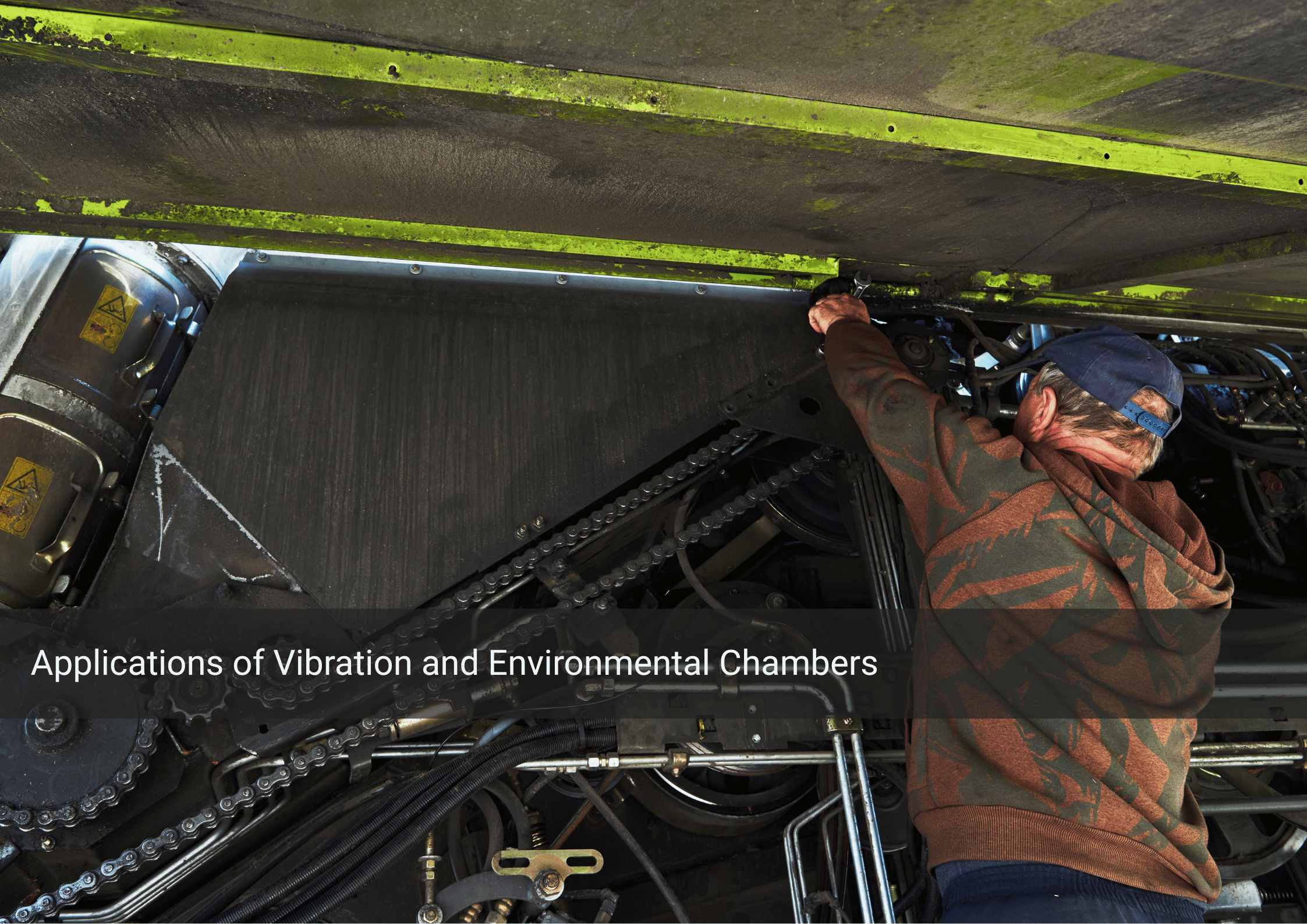
Automotive components must remain durable when exposed to vibration, temperature changes, and environmental stress. Vibration and environmental chambers allow engineers to simulate these conditions and evaluate how vehicle components perform during long-term use.
Testing these components helps manufacturers improve product reliability and durability.
Aerospace Equipment Testing
Aerospace components must withstand extreme environmental conditions and mechanical stress during flight operations. Vibration and environmental testing allows laboratories to simulate these conditions and evaluate structural stability.
These tests help engineers identify potential weaknesses and improve aerospace product design.
Environmental Simulation Systems
Environmental chambers used in vibration testing allow laboratories to simulate temperature fluctuations and humidity conditions. These environmental factors may influence how products respond to mechanical vibration.
Environmental simulation technologies are also supported by suppliers which provide environmental chambers used for reliability testing.
Material and Structural Analysis
After vibration and environmental testing, laboratories analyze materials and components to evaluate structural performance. Researchers may examine cracks, material deformation, and component fatigue.
Testing laboratories may rely on suppliers such as Obsnap Group, which provide laboratory instruments used for material testing and product analysis.
Conclusion
Vibration and environmental chambers are essential tools for evaluating product performance under combined mechanical and environmental stress conditions. By simulating real-world operating environments, laboratories can identify product weaknesses and improve product design.
With reliable environmental testing equipment, manufacturers in Malaysia can ensure products remain durable and reliable under challenging conditions.